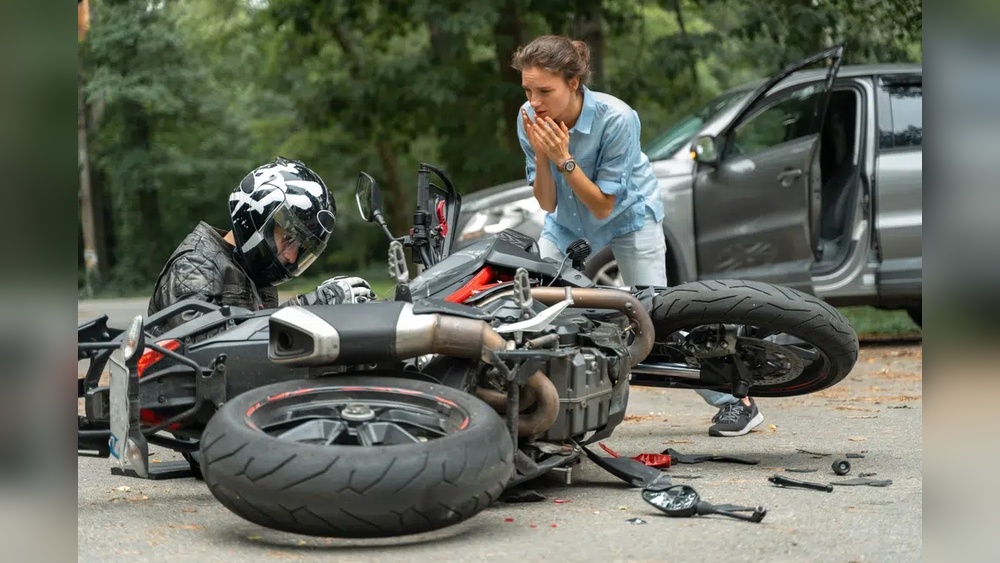
A motorcycle crash can happen in a split second, changing your life forever. You might think it won’t happen to you, but the truth is, accidents can catch any rider off guard.
Understanding what causes these crashes and how to protect yourself is crucial. You’ll discover key facts, safety tips, and what to do if you ever find yourself in this situation. Keep reading—your safety depends on the knowledge you gain here.
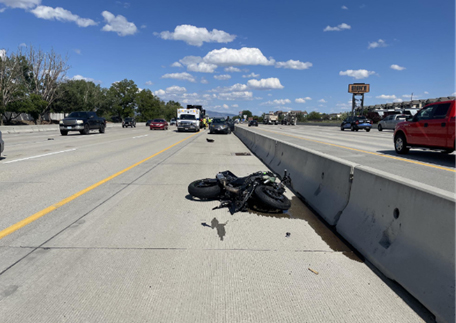
Common Causes Of Motorcycle Crashes
Motorcycle crashes happen for many reasons. Understanding these causes helps riders stay safe. Most crashes occur due to avoidable factors. Knowing these can reduce risks on the road.
Rider Errors
Rider mistakes cause many motorcycle crashes. Common errors include speeding and sudden braking. Failing to signal or check blind spots leads to accidents. Inexperienced riders often misjudge turns and distances. Fatigue and distractions also increase crash chances.
Road Hazards
Road conditions affect motorcycle safety greatly. Potholes, loose gravel, and wet surfaces cause slips. Oil spills and debris create dangerous spots. Poorly marked construction zones confuse riders. Uneven pavement can throw off balance quickly.
Other Vehicle Drivers
Car and truck drivers often cause motorcycle crashes. They may not see motorcycles in traffic. Drivers changing lanes without checking blind spots are risky. Sudden stops or turns by other vehicles surprise riders. Distracted or impaired drivers increase danger.
Weather Conditions
Bad weather makes riding hazardous. Rain reduces tire grip and visibility. Fog limits how far riders can see ahead. Ice and snow create slippery surfaces. Strong winds can push motorcycles off course.
Protective Gear For Riders
Riding a motorcycle can be thrilling and fun. Yet, safety must be a top priority. Protective gear helps reduce injuries during a crash. It acts as a shield between the rider and the road. Choosing the right gear can save lives and prevent serious harm.
Helmets And Their Importance
Helmets protect the head from impact. They reduce the risk of brain injury in crashes. Always pick a helmet that fits well and meets safety standards. A good helmet absorbs shock and covers the entire head. Wearing a helmet is the single best way to stay safe.
Protective Clothing
Special riding jackets and pants protect the skin. They are made from tough materials like leather or textile. These clothes reduce cuts and scrapes in a fall. Many have padding at key spots like elbows and knees. Wearing protective clothing lowers injury chances significantly.
Gloves And Boots
Gloves protect hands from road rash and impact. They improve grip on the handlebars in all weather. Boots guard feet and ankles from injuries. Sturdy boots prevent twisting and provide good support. Gloves and boots are essential for full protection.
Visibility Enhancers
Bright colors and reflective strips make riders more visible. Visibility enhancers help other drivers see motorcycles easily. Use gear with neon colors or reflective patches. Good visibility can prevent accidents, especially at night or in bad weather.
Safe Riding Techniques
Riding a motorcycle can be thrilling but also risky. Safe riding techniques help reduce accidents and injuries. Following simple rules keeps you visible and in control. These tips help you react faster and avoid danger.
Defensive Riding
Always expect other drivers to make mistakes. Watch traffic closely and keep a safe distance. Avoid blind spots of other vehicles. Stay alert and ready to brake or swerve.
Speed Management
Control your speed to match road conditions. Slow down on curves, wet roads, and busy streets. Riding too fast reduces your time to react. Keep a steady pace for better control.
Proper Lane Positioning
Choose a lane spot where you are most visible. Stay away from the edges and avoid riding in others’ blind spots. Adjust your position to see and be seen. This helps you avoid hazards.
Using Signals Effectively
Always use turn signals before changing lanes or turning. Signals warn drivers about your intentions. Use hand signals if your lights fail. Clear communication prevents crashes and confusion.

Motorcycle Maintenance Tips
Proper motorcycle maintenance keeps your ride safe and smooth. Regular checks reduce the risk of crashes. Simple care can prevent many accidents. Focus on key areas to keep your motorcycle in top shape.
Tire Care And Pressure
Check tire pressure before every ride. Correct pressure improves grip and control. Look for cracks or worn tread on tires. Replace tires that show damage or are too old. Proper tires help avoid slips and falls.
Brake System Checks
Test brakes regularly to ensure quick stopping power. Check brake pads for wear and replace if thin. Look for brake fluid leaks and refill if low. Good brakes are crucial for avoiding crashes.
Lighting And Signals
Verify that all lights work well before riding. Headlights help you see and be seen at night. Turn signals warn others when you change lanes. Brake lights alert drivers when you slow down.
Engine And Fluid Maintenance
Change engine oil as recommended by the manufacturer. Clean or replace air filters to keep the engine healthy. Check coolant and brake fluid levels often. Well-maintained fluids keep your motorcycle running safely.
Handling Emergency Situations
Handling emergency situations on a motorcycle demands quick thinking and calm actions. Riders face sudden dangers like obstacles, slippery roads, or unexpected debris. Knowing how to react can prevent crashes and keep you safe.
Practice and understanding your bike’s limits help in emergencies. Confidence grows with skills like braking hard or avoiding hazards smoothly. Preparation reduces panic and increases control over your motorcycle.
Avoiding Obstacles
Spot obstacles early by scanning the road ahead. Adjust your speed to give more time to react. Steer gently around objects without sudden moves. Avoid swerving sharply, which can cause loss of balance. Use your brakes to slow down before turning.
Emergency Braking
Apply both front and rear brakes together. Press the front brake lever firmly but not too hard. Squeeze the rear brake pedal steadily. Keep your body relaxed and weight slightly back. Avoid locking the wheels to prevent skidding. Practice braking in safe areas often.
Skid Recovery
Stay calm if your wheels skid. Do not brake harder or turn sharply. Release some brake pressure to regain traction. Steer in the direction you want to go. Keep your eyes focused on your path. Practice recovery techniques to build muscle memory.
Dealing With Road Debris
Scan for debris such as rocks, branches, or glass. Slow down and choose a clear path around the debris. Avoid sudden steering or braking near debris. If unavoidable, stand slightly on the footpegs to absorb shocks. Keep your grip firm but relaxed to maintain control.
Rider Training And Education
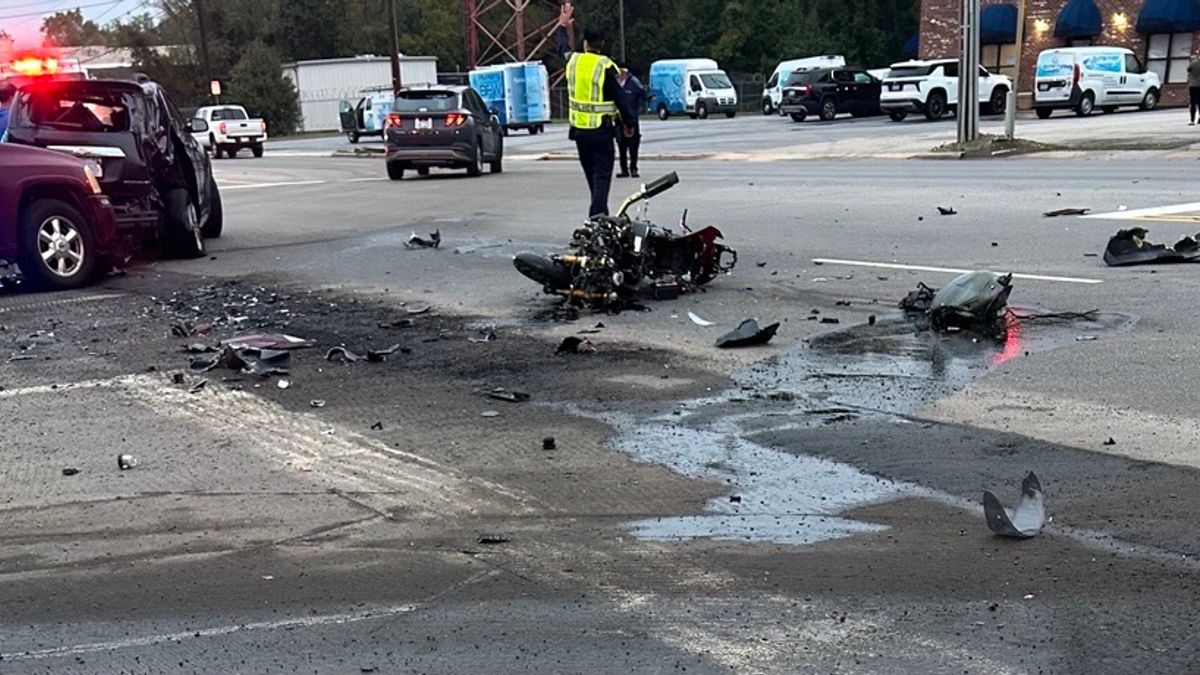
Rider training and education play a key role in reducing motorcycle crashes. Proper training helps riders handle their bikes safely and react well in tough situations. Learning the right skills builds confidence and lowers risks on the road.
Good education teaches riders about bike control, road awareness, and safe riding habits. It also prepares them to avoid common dangers. Continuous learning improves safety for both riders and others on the road.
Professional Riding Courses
Professional riding courses offer structured lessons for all skill levels. These courses cover basic controls, emergency stops, and safe cornering techniques. Instructors guide riders through real-life scenarios to build strong riding habits. Completing a course often leads to better license options and insurance rates.
Advanced Riding Skills
Advanced riding skills go beyond basics. They include techniques like counter-steering, trail braking, and evasive maneuvers. These skills help riders stay safe in complex traffic situations. Training in advanced skills sharpens reflexes and improves balance under pressure.
Regular Practice
Regular practice is essential for maintaining riding skills. Short, frequent sessions keep muscle memory sharp. Practicing in different weather and road conditions prepares riders for unexpected challenges. Consistent practice reduces errors and boosts overall safety.
Staying Updated On Traffic Laws
Traffic laws change over time. Staying updated helps riders avoid fines and dangerous situations. Knowing current rules improves decision-making on the road. Riders should review local laws regularly to ride legally and safely.
Technology Aids For Safety
Technology plays a big role in keeping motorcyclists safe. New tools and systems help reduce crash risks and protect riders.
These safety aids support better control and quick reactions on the road. They also help alert others in case of accidents.
Anti-lock Braking Systems
Anti-lock Braking Systems (ABS) stop wheels from locking during sudden braking. This prevents skidding and helps maintain steering control. Riders can brake hard without losing balance. ABS works well on wet or slippery roads. It reduces chances of crashes caused by loss of control.
Traction Control
Traction control manages power to the wheels to avoid slipping. It adjusts engine output if tires lose grip. This keeps the bike stable during acceleration. Traction control is useful on curves and rough surfaces. It helps riders stay safe on uneven or wet roads.
Crash Detection Devices
Crash detection devices sense impacts and sudden stops. They send alerts to emergency contacts or services quickly. This speeds up help in case of serious crashes. Some devices also track location for faster rescue. These tools add a layer of safety beyond just riding skills.
Communication Systems
Communication systems allow riders to stay connected while on the road. They enable hands-free calling and voice commands. Riders can hear GPS directions or road warnings clearly. Group riders can talk to each other during trips. These systems improve awareness and reduce distractions.
Frequently Asked Questions
What Are Common Causes Of Motorcycle Crashes?
Common causes include speeding, distracted driving, poor road conditions, and failure to yield. Alcohol and weather also increase risks. Awareness and safety gear reduce crash chances.
How Can I Prevent A Motorcycle Crash?
Always wear protective gear, obey traffic laws, and stay visible. Avoid distractions and ride defensively. Regular bike maintenance and training improve safety.
What Should I Do Immediately After A Motorcycle Crash?
Check for injuries and call emergency services if needed. Move to a safe area if possible. Document the scene and exchange information with others involved.
Are Motorcycle Crashes Usually The Rider’s Fault?
Not always. Other drivers’ negligence, road hazards, or mechanical failures can cause crashes. Each incident requires careful investigation to determine fault.
Conclusion
Motorcycle crashes can happen quickly and without warning. Staying alert and riding safely helps reduce risks. Wearing protective gear saves lives and lessens injuries. Knowing how to react in emergencies makes a big difference. Always respect traffic rules and other drivers on the road.
Riding with care protects you and others around you. Remember, safety starts with every ride you take. Keep these tips in mind to stay safe and enjoy the ride.