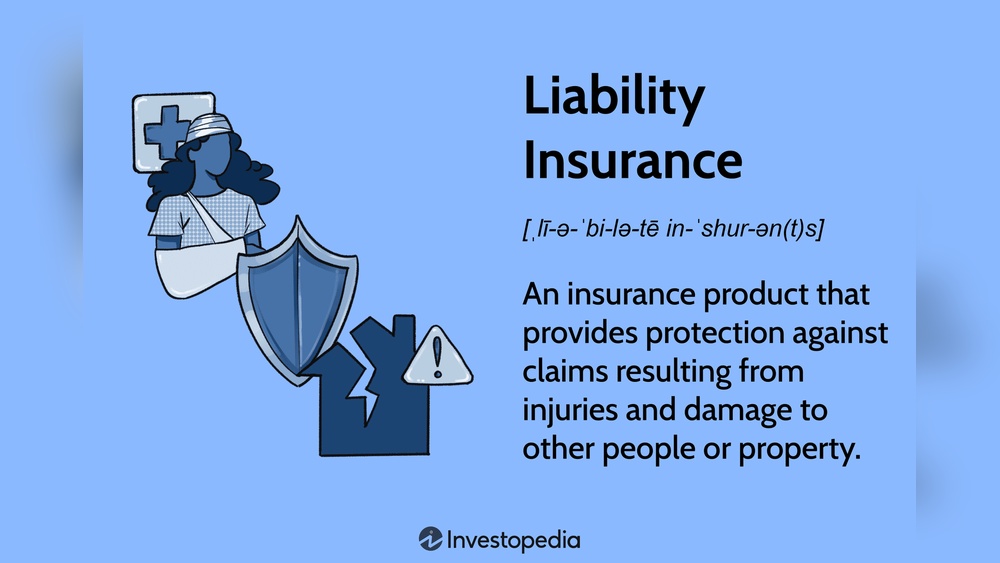
When it comes to protecting yourself and your assets, liability insurance is something you can’t afford to ignore. Imagine facing a costly lawsuit or accident without any financial backup—how would you cope?
Liability insurance steps in to cover damages or legal fees if you’re held responsible for injury or property damage. Understanding how it works can save you from unexpected expenses and stress. Keep reading to discover why liability insurance matters to you and how it can shield your future.
What Is Liability Insurance
Liability insurance protects you from financial loss if you cause harm or damage to others. It covers legal costs and any compensation you may owe. This type of insurance is essential for both individuals and businesses to reduce risks.
Without liability insurance, you might pay out of pocket for accidents or claims. It helps cover injuries, property damage, and legal fees. Understanding what liability insurance covers helps you choose the right policy.
What Does Liability Insurance Cover?
Liability insurance covers bodily injury and property damage caused by you. It pays for medical bills and repairs. It also covers legal defense costs if someone sues you.
Who Needs Liability Insurance?
Anyone can benefit from liability insurance. Drivers, homeowners, and business owners often need it. It offers peace of mind against unexpected accidents or claims.
There are several types of liability insurance. General liability protects businesses from many risks. Professional liability covers errors in services. Auto liability covers accidents involving your vehicle.
Types Of Liability Insurance
Liability insurance protects businesses and individuals from financial losses. It covers claims of injury, damage, or negligence. Different types of liability insurance suit various needs. Understanding these types helps you choose the right coverage.
General Liability
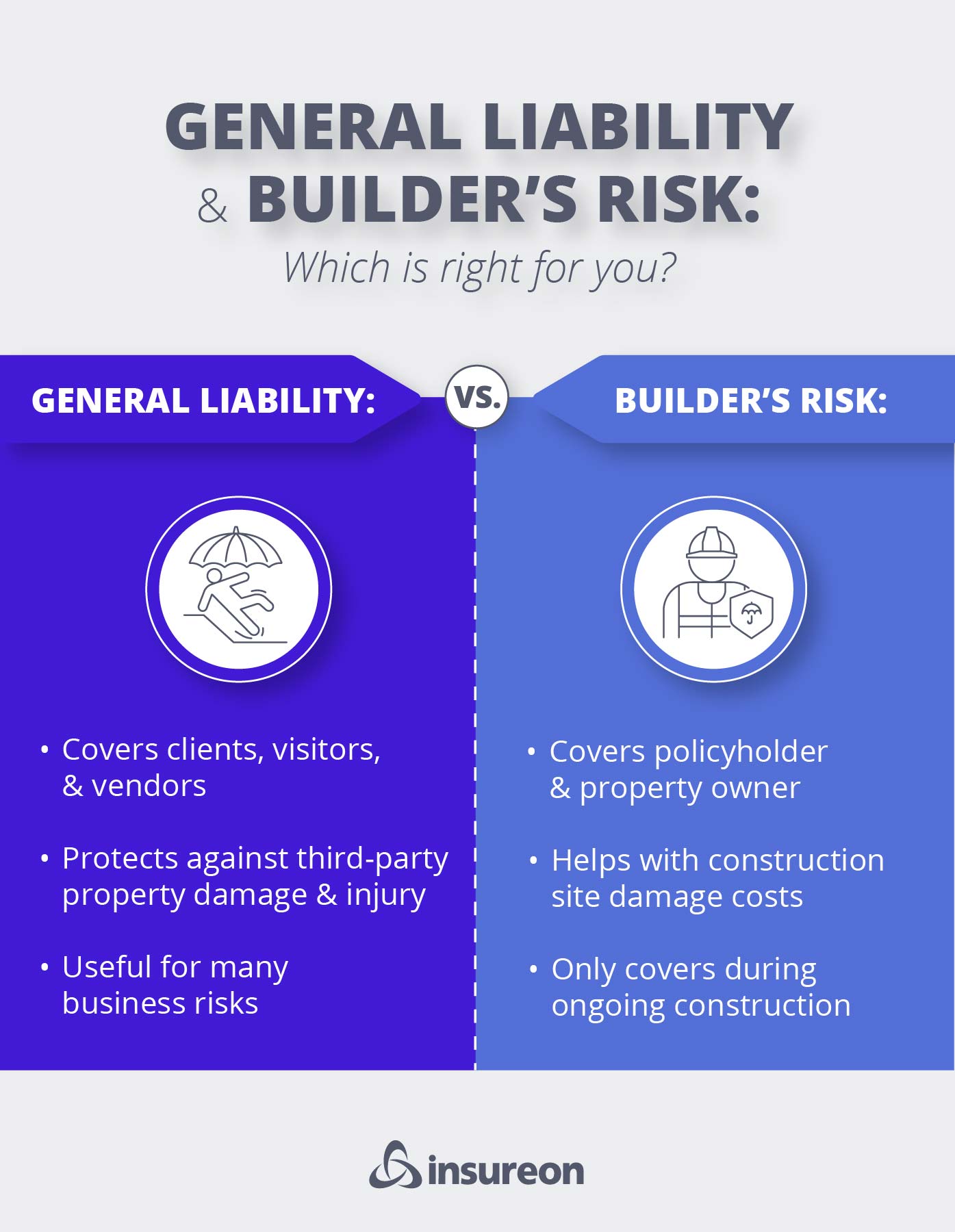
General liability insurance covers common risks. It protects against claims of bodily injury and property damage. It also covers legal fees and settlements. Most businesses need this insurance as a basic safeguard.
Professional Liability
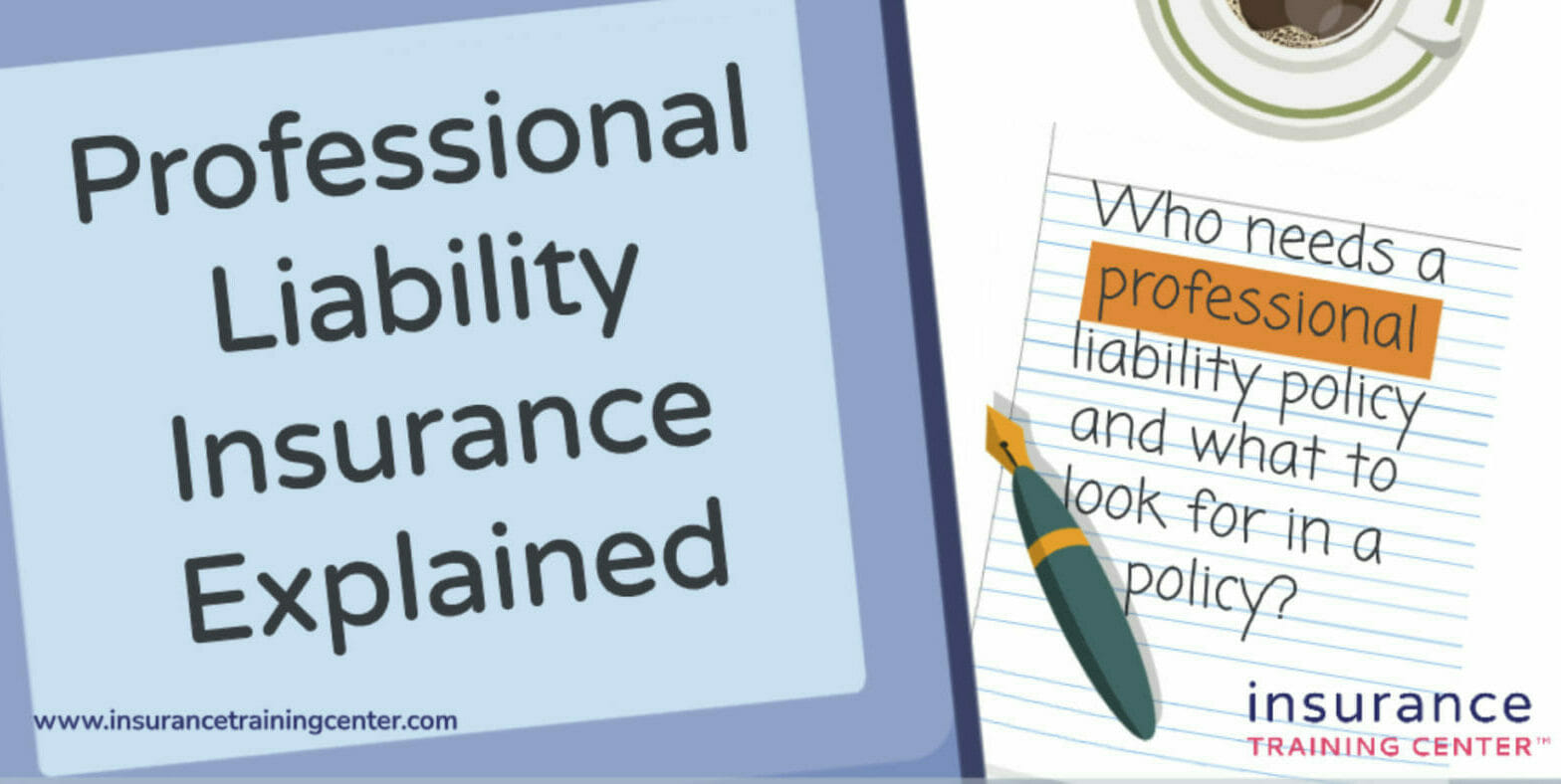
Professional liability insurance helps protect service providers. It covers claims of mistakes or negligence during work. Also called errors and omissions insurance, it is vital for consultants, doctors, and lawyers. This insurance handles legal costs and damages.
Product Liability
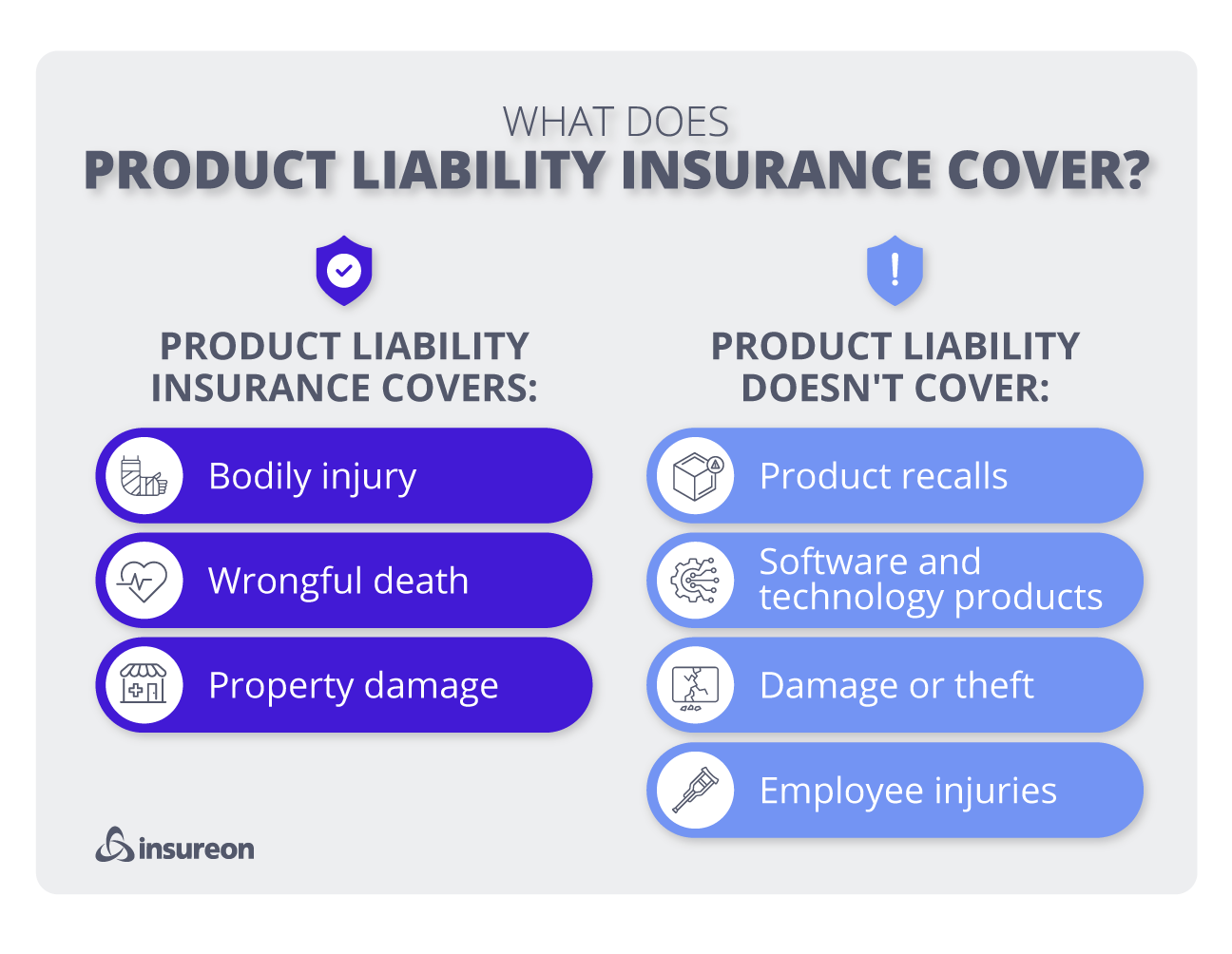
Product liability insurance covers harm caused by products. It applies to manufacturers, distributors, and sellers. Injuries or damages from faulty products fall under this policy. It helps pay for lawsuits and settlements related to product defects.
Employment Practices Liability
Employment practices liability insurance protects employers. It covers claims from employees about discrimination or harassment. It also handles wrongful termination and other workplace issues. This insurance helps cover legal defense and settlements.
Why Liability Insurance Matters
Liability insurance is essential for every business. It offers protection against unexpected problems. Without it, businesses risk losing money and trust. Understanding why liability insurance matters helps you see its real value.
Protecting Business Assets
Liability insurance shields your business from costly claims. It covers damages or injuries caused to others. Without insurance, you might pay from your savings. This protection keeps your equipment, money, and property safe.
Covering Legal Costs
Lawsuits can be expensive and stressful. Liability insurance pays for lawyer fees and court costs. It helps your business handle legal challenges without financial strain. This way, you can focus on running your business.
Maintaining Business Reputation
Claims and lawsuits can harm your business image. Liability insurance shows clients you are responsible. It builds trust and confidence in your services. A good reputation attracts more customers and keeps your business strong.
Who Needs Liability Insurance
Liability insurance protects you from financial loss if someone sues for injury or damage. Many types of businesses and professionals need this coverage. It helps cover legal fees and settlements. Understanding who needs liability insurance is important for protecting your work and assets.
Small Businesses
Small businesses face many risks every day. Customers or clients might get hurt on their property. Products could cause harm. Liability insurance helps cover these costs. It keeps small businesses safe from lawsuits that could close them down.
Freelancers And Consultants
Freelancers and consultants often work alone or in small teams. Mistakes can happen, leading to client losses. Liability insurance protects them from claims of negligence or errors. It gives peace of mind and secures their income.
Large Enterprises
Large enterprises handle bigger projects and more people. They face greater risks from accidents or product issues. Liability insurance is essential to manage these risks. It helps cover high legal costs and protects their reputation.
How To Choose The Right Coverage
Choosing the right liability insurance coverage is important for your business safety. The right coverage protects your finances and reputation. It also helps you handle unexpected claims with ease.
This section guides you through simple steps to pick the best policy. Focus on understanding your risks, knowing your limits, and choosing a good provider.
Assessing Business Risks
Start by identifying risks specific to your business. Think about accidents, damages, or legal claims that might happen. Consider your industry, location, and daily operations. The higher the risk, the more coverage you may need.
Evaluating Policy Limits
Policy limits show the maximum amount an insurer will pay. Choose limits that cover possible losses fully. Low limits may leave you paying out of pocket. Higher limits offer better protection but cost more.
Comparing Providers
Not all insurance companies offer the same value. Compare prices, coverage options, and customer service. Check reviews and financial strength ratings. A reliable provider makes claims easier and faster.
Common Claims And How They Are Handled
Liability insurance covers various claims that businesses and individuals may face. These claims involve harm or damage caused to others. Understanding common claims helps you see how insurance works to protect you.
Claims can arise from accidents, mistakes, or faulty products. Each type of claim has a different process for handling and resolving. Insurance companies investigate the claim, assess damages, and decide on compensation.
Slip And Fall Accidents
Slip and fall accidents happen when someone trips or slips on your property. These claims are common in stores, offices, and public spaces. Insurance covers medical bills and legal fees if the injured person sues.
The insurer checks the accident details and property conditions. They often send an adjuster to gather facts. If liability is clear, the insurer offers a settlement to cover injuries and losses.
Professional Errors
Professional errors occur when a service causes harm due to mistakes or negligence. Examples include doctors, lawyers, or consultants making errors. Liability insurance protects professionals from costly lawsuits.
Claims are reviewed based on the service provided and the harm caused. Insurers may hire experts to evaluate the claim. Settlements or court decisions depend on the evidence and policy terms.
Product Defects
Product defects cause injury or damage due to faulty design or manufacturing. Businesses selling products face claims if customers get hurt. Liability insurance helps cover legal costs and damages awarded.
Insurers investigate the defect and how it caused harm. They work with lawyers to defend or settle claims. Timely reporting and clear documentation improve claim handling.
Costs And Factors Affecting Premiums
Liability insurance costs vary widely across different businesses. Several factors influence the amount you pay for premiums. Understanding these factors can help you manage insurance expenses better. Below are key elements that affect liability insurance premiums.
Business Size And Industry
Large businesses often pay higher premiums. More employees and higher sales increase risk. Certain industries face greater hazards. Construction and manufacturing usually cost more to insure. Service-based companies tend to have lower premiums. Insurers consider industry risks carefully.
Claims History
A clean claims history lowers your insurance cost. Past claims suggest higher future risk. Frequent claims raise red flags for insurers. Businesses with many claims pay more. Safe practices and risk management reduce claims. This can lead to lower premiums.
Coverage Amount
The coverage limit impacts the premium size. Higher coverage means higher premiums. Choosing the right coverage protects your business. Too little coverage risks out-of-pocket costs. Too much coverage increases premiums unnecessarily. Balance coverage with your business needs.
Steps To File A Liability Insurance Claim
Filing a liability insurance claim can feel confusing. Knowing the correct steps helps you act quickly and properly. Follow these clear steps to make your claim process smooth and effective.
Gather All Necessary Information
Collect details about the incident. Include dates, times, and location. Write down names and contact info of all involved. Take photos if possible. Keep any documents related to the incident.
Notify Your Insurance Company
Contact your insurer as soon as possible. Use the phone number or online portal provided. Provide a clear description of what happened. Share all the information you gathered. Ask for next steps and claim forms.
Fill Out The Claim Form Carefully
Complete the claim form with accurate details. Double-check for any missing information. Attach supporting documents like photos or police reports. Submit the form as instructed by your insurer.
Communicate Promptly With The Insurance Adjuster
Stay in touch with the insurance adjuster assigned to your claim. Answer their questions honestly and clearly. Provide any additional documents they request. Keep records of all communications.
Keep Track Of Expenses And Repairs
Save receipts for any costs related to the claim. This includes repairs, medical bills, or rentals. Submit these documents to your insurer. They help in calculating your claim payment.
Tips To Lower Liability Insurance Costs
Liability insurance protects you from financial loss if someone sues for injury or damage. Lowering these costs helps save money without losing coverage. Simple steps can reduce your premiums. Smart choices make a difference.
Implementing Safety Measures
Install safety equipment like smoke detectors and security cameras. They reduce risks and show insurers you care about protection. Train employees or family members on safety rules. A safer environment means fewer claims. Lower risks lead to lower insurance costs.
Bundling Policies
Combine liability insurance with other policies like home or auto insurance. Many insurers offer discounts for bundled policies. This saves money and simplifies bill payments. Bundling also creates loyalty with your insurer. Check if your provider offers this option.
Regular Policy Reviews
Review your policy each year. Your needs might change, affecting coverage and cost. Remove unnecessary coverage to lower premiums. Update your insurer about changes that reduce risk. Staying informed helps you avoid paying for unused protection.
Frequently Asked Questions
What Is Liability Insurance And Why Is It Important?
Liability insurance protects you from financial loss if you’re legally responsible for injury or damage. It covers legal fees and settlements. This insurance is crucial for individuals and businesses to manage risks and avoid costly lawsuits.
What Types Of Liability Insurance Are Available?
Common types include general liability, professional liability, product liability, and personal liability insurance. Each covers different risks, such as bodily injury, property damage, or professional errors. Choosing the right type depends on your specific needs and industry.
How Does Liability Insurance Protect Businesses?
Liability insurance shields businesses from claims related to accidents, injuries, or negligence. It covers legal costs and damages, helping companies avoid financial ruin. This protection ensures business continuity and builds trust with customers and partners.
Who Needs Liability Insurance Coverage?
Anyone who could be held responsible for injury or damage should have liability insurance. This includes business owners, professionals, landlords, and even individuals with significant assets. It safeguards personal and business finances against unexpected claims.
Conclusion
Liability insurance protects you from unexpected costs. It covers damages and legal fees. Without it, you risk losing money and assets. Choosing the right policy brings peace of mind. It helps you focus on your work or life. Always review your coverage to stay protected.
A small investment can save you from big problems. Don’t wait until trouble happens. Stay safe and secure with liability insurance today.
