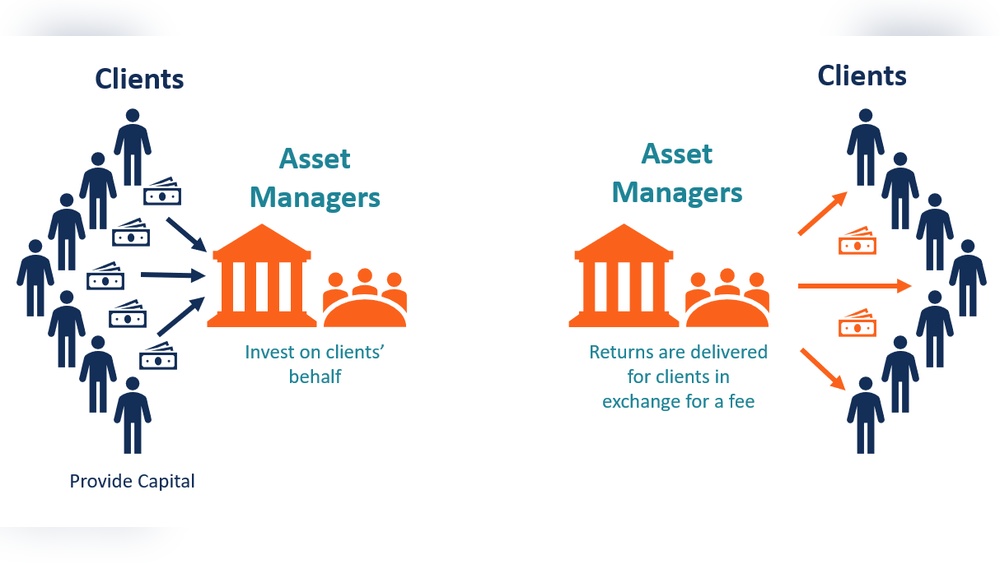
Are you making the most of what you own? Whether it’s your money, property, or equipment, managing your assets well can boost your success and reduce stress.
Asset management isn’t just for big companies—it’s a smart move for anyone who wants to protect and grow their valuables. You’ll discover simple yet powerful ways to keep track of your assets, make informed decisions, and unlock hidden value. Ready to take control and see your assets work harder for you?
Let’s dive in.
Benefits Of Asset Management
Asset management helps people control and grow their investments. It provides a clear plan to manage money and resources wisely. This approach supports steady financial growth and protects against sudden losses. Understanding the benefits of asset management shows why it matters for everyone.
Building Wealth Over Time
Asset management focuses on steady growth of your investments. It uses smart strategies to increase value slowly and safely. This method avoids risky moves that might cause big losses. Over years, small gains add up to significant wealth. Patience and consistency play key roles here.
Risk Mitigation Techniques
Effective asset management reduces chances of losing money. It spreads investments across different areas to protect against failure. Careful analysis helps spot risks early and avoid them. This approach ensures your money is safer in uncertain times. Managing risk is crucial for long-term success.
Enhancing Portfolio Diversification
Diversification means spreading investments across many types of assets. Asset management helps balance stocks, bonds, and other options. This balance lowers the impact if one investment falls. A well-diversified portfolio offers more stability and steady returns. It is a smart way to protect your money.
:max_bytes(150000):strip_icc()/assetmanagement-93468a062b964a6fa198afe0bfa543d6.jpg)
Types Of Assets To Manage
Managing different types of assets is key to building and protecting wealth. Each asset type has unique features, risks, and benefits. Understanding these types helps in making smart decisions for your financial future.
Assets can be divided into several categories. Knowing what each category offers can guide your investment choices. This section explains the main types of assets to manage.
Equities And Stocks
Equities represent ownership in a company. Stocks are shares of that ownership. They offer potential growth through price increases. Stocks can also pay dividends, which provide income. They carry risks, as prices can change quickly. Equities suit investors who accept some risk for higher returns.
Bonds And Fixed Income
Bonds are loans to governments or companies. Fixed income means they pay regular interest over time. Bonds are generally safer than stocks but offer lower returns. They help balance risk in an investment portfolio. Fixed income assets provide steady income and capital preservation.
Real Estate Investments
Real estate involves buying property for income or appreciation. It can include homes, commercial buildings, or land. Real estate offers rental income and potential value growth. It is less liquid than stocks or bonds. This asset type adds diversity and can protect against inflation.
Alternative Assets
Alternative assets include things like commodities, private equity, and collectibles. These assets often behave differently from stocks and bonds. They can reduce risk by diversifying a portfolio. Alternatives may require more knowledge and are less liquid. They offer unique opportunities beyond traditional investments.
Smart Investment Strategies
Smart investment strategies help build wealth steadily and safely. Choosing the right method matters for your financial future. Different strategies suit different goals and risk levels. Understanding key approaches can guide better decisions.
Value Investing Principles
Value investing focuses on buying stocks at prices below their true worth. Investors seek companies with strong fundamentals but undervalued shares. Patience is essential as markets take time to adjust. This strategy aims for long-term gains through market corrections.
Growth Investing Approaches
Growth investing targets companies with high potential for earnings increase. These firms often reinvest profits to expand rapidly. Investors accept higher risks for possible bigger rewards. It suits those willing to hold stocks during market ups and downs.
Income-focused Strategies
Income-focused strategies prioritize regular cash flow from investments. Common choices include dividend-paying stocks and bonds. This method supports steady income, ideal for retirees or conservative investors. Consistent payouts help manage expenses without selling assets.
Index Fund Advantages
Index funds track a market index, offering broad market exposure. They have low fees and reduce risk through diversification. These funds suit investors seeking simplicity and steady growth. Over time, index funds often outperform many actively managed funds.
:max_bytes(150000):strip_icc()/wealthmanagement_final-edit-749825ce5568402987ec8342bd3820dc.png)
Technology In Asset Management
Technology shapes modern asset management. It helps companies track, analyze, and protect their assets efficiently. Advances in software and tools simplify complex tasks. This leads to smarter decisions and better results.
Technology also reduces errors and saves time. It makes asset management more accessible to businesses of all sizes. Several key technologies stand out in this field.
Robo-advisors And Automation
Robo-advisors use algorithms to manage investments. They provide automated advice based on data and risk levels. This reduces the need for human intervention.
Automation handles routine tasks like monitoring and rebalancing portfolios. It ensures quick and accurate execution. Businesses save time and reduce costs with these tools.
Data Analytics For Decision Making
Data analytics turns raw data into clear insights. It helps managers understand asset performance and market trends. Analytics tools identify patterns that humans might miss.
Using data, companies make informed choices about buying or selling assets. This improves profitability and reduces risks. Data-driven strategies have become essential in asset management.
Blockchain And Asset Security
Blockchain technology records transactions on a secure, transparent ledger. It prevents fraud and unauthorized changes. This builds trust and improves asset security.
Smart contracts automate agreements and payments without middlemen. Blockchain also tracks asset ownership clearly. It offers a reliable way to protect valuable resources.
Common Challenges In Asset Management
Asset management involves many complex tasks that require careful attention. Managing investments and resources comes with several common challenges. These challenges can affect decision-making and overall success. Understanding these issues helps in planning better strategies.
Market Volatility Impact
Markets change quickly and often without warning. Prices of stocks, bonds, and other assets can rise or fall sharply. This makes predicting future values difficult. Sudden market shifts can reduce portfolio value. Managers must stay alert to protect investments.
Behavioral Biases
Human emotions often influence investment choices. Fear and greed can lead to poor decisions. Overconfidence may cause excessive risk-taking. Biases like loss aversion prevent selling bad assets. Recognizing these biases helps avoid costly mistakes.
Regulatory Compliance
Rules and laws govern asset management practices. Staying compliant requires constant monitoring of regulations. Failure to comply can result in fines or legal trouble. Regulations vary by country and can change often. Managers must adapt quickly to meet these standards.
Measuring Performance
Measuring performance is a crucial part of asset management. It helps investors understand how well their assets are doing. This process involves tracking various financial indicators and comparing results with benchmarks. Careful measurement allows for smart decisions that improve future returns.
Key Financial Metrics
Several financial metrics show the health of your investments. Return on investment (ROI) measures the profit compared to the cost. Net asset value (NAV) tracks the total value of assets minus liabilities. Another important metric is the Sharpe ratio, which indicates risk-adjusted returns. These numbers provide a clear view of your portfolio’s success.
Benchmark Comparisons
Comparing your portfolio to benchmarks helps evaluate performance fairly. Benchmarks are standard indexes like the S&P 500 or Dow Jones. They represent the market or sector your assets belong to. If your returns beat the benchmark, your strategy is working. Falling short means it might be time to rethink your plan.
Adjusting Strategies Based On Results
Performance results guide future investment choices. Low returns or high risks signal a need for change. Adjusting asset allocation can reduce risk or increase gains. Regular reviews ensure your strategy stays aligned with goals. Staying flexible helps protect investments and maximize growth.
Frequently Asked Questions
What Is Asset Management And Why Is It Important?
Asset management is the process of organizing and tracking valuable resources. It helps maximize asset value, reduce risks, and improve decision-making. Effective asset management ensures efficient use, maintenance, and disposal, saving costs and boosting overall business performance.
How Does Asset Management Improve Business Efficiency?
Asset management streamlines tracking, maintenance, and utilization of assets. It reduces downtime and prevents asset loss. This leads to lower operational costs and better resource allocation, ultimately enhancing productivity and profitability for businesses of all sizes.
What Types Of Assets Are Managed In Asset Management?
Asset management covers physical assets like machinery, buildings, and vehicles. It also includes digital assets such as software and data. Managing all asset types ensures organizations maintain value, compliance, and operational readiness across diverse resource categories.
What Tools Are Used For Effective Asset Management?
Asset management uses software tools like CMMS, ERP, and dedicated asset tracking systems. These tools automate inventory, maintenance schedules, and reporting. They provide real-time insights, improving asset utilization and decision-making for businesses.
Conclusion
Effective asset management helps keep track of valuable resources. It reduces risks and saves money over time. Staying organized improves decision-making and boosts efficiency. Everyone benefits from clear and simple asset plans. Start small and build your system step by step.
Good habits in managing assets lead to long-term success. Keep learning and adjusting to fit your needs. Asset management is a key part of smart business and personal growth.