
Are you prepared for unexpected health expenses that could disrupt your life and finances? Health insurance is more than just a safety net—it’s your key to peace of mind and access to quality care when you need it most.
Understanding how health insurance works can save you money and protect your well-being. Keep reading to discover how you can choose the right plan for you and your family, avoid common pitfalls, and make the most of your coverage. Your health and future deserve this attention.
Choosing The Right Plan
Choosing the right health insurance plan can feel confusing. Many options exist, each with different benefits and costs. Taking time to understand your choices helps you find a plan that fits your needs and budget. This process protects your health and your wallet.
Compare Plan Types
Health insurance plans come in various types like HMO, PPO, and EPO. Each type has rules about seeing doctors and specialists. Some plans need referrals for specialists, while others do not. Costs also vary between plans. Compare premiums, deductibles, and out-of-pocket limits before choosing.
Assess Your Health Needs
Think about your medical history and current health. Do you visit doctors often? Do you take regular medicine? Consider family health risks too. Your plan should cover the services you use most. Plans with higher premiums may save money on frequent care. Choose a plan that matches your health needs closely.
Check Provider Networks
Each plan has a network of doctors and hospitals. Using in-network providers usually costs less. Check if your preferred doctors and hospitals are in the network. If you travel often, look for plans with a broad network. A small network can limit your choices and increase costs.
Maximizing Savings
Saving money on health insurance helps you keep your budget balanced. Small actions can cut costs without losing coverage. Learn smart ways to reduce expenses while staying protected.
Use Preventive Services
Preventive services catch health issues early. Many plans cover vaccines, screenings, and check-ups for free. These services stop problems before they grow costly. Use them regularly to avoid big bills later.
Take Advantage Of Health Savings Accounts
Health Savings Accounts (HSAs) let you save money tax-free. You can pay for medical expenses with these funds. HSAs lower your taxable income and stretch your dollars. Put aside money each month to build your savings.
Look For Discounts And Subsidies
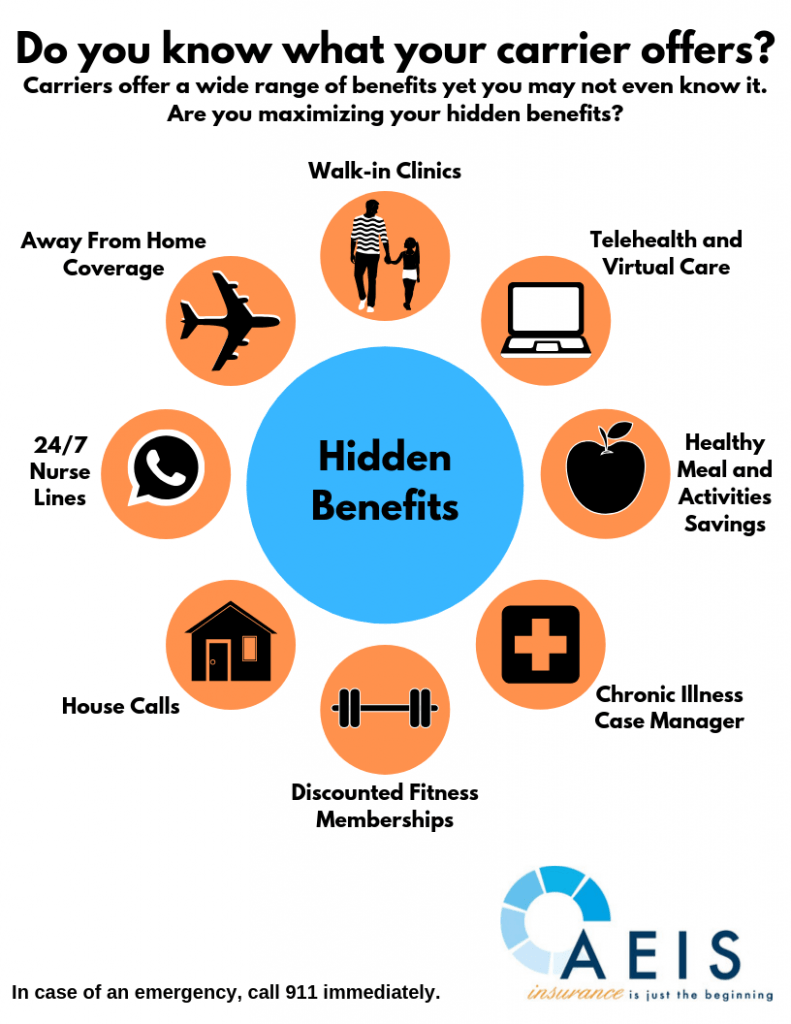
Many insurers offer discounts for healthy habits or bundling plans. Government subsidies can lower premiums for eligible people. Check for programs in your state. These savings reduce what you pay every month.
Managing Costs Effectively
Managing health insurance costs can feel tricky. Many people worry about surprise bills and high expenses. Understanding how insurance works helps control these costs. Simple steps can save money and reduce stress. Focus on key areas like deductibles, prescriptions, and unexpected bills.
Understand Deductibles And Copayments
Deductibles are amounts you pay before insurance helps. Know your deductible amount. Paying attention avoids surprises during doctor visits. Copayments are fixed fees for services like visits or tests. Check your copayment amounts. Choose plans with costs that fit your budget.
Control Prescription Drug Expenses
Prescription drugs can add up fast. Use generic medicines when possible. They cost less but work just as well. Review your drug list yearly. Look for cheaper alternatives or discounts. Ask your doctor about lower-cost options. Use mail-order pharmacies for savings on regular medications.
Avoid Unexpected Medical Bills
Unexpected bills come from out-of-network care or emergency visits. Confirm your provider is in-network before treatment. Ask for cost estimates ahead of time. Keep records of all bills and insurance statements. Contact your insurer if you see errors. Staying informed prevents surprise expenses.
Maintaining Continuous Coverage
Keeping health insurance without breaks is very important. Continuous coverage helps avoid gaps that can leave you unprotected. It also keeps costs lower and ensures access to care when needed. This section explains how to maintain your coverage smoothly.
Renew Plans On Time
Always check your plan’s renewal date. Mark it on your calendar to avoid missing it. Renewing on time prevents losing your coverage. Review your plan each year to see if it still fits your needs. Renewing early gives time to compare other options.
Handle Life Changes
Major life events can affect your coverage. Changes like moving, marriage, or a new job may require plan updates. Notify your insurance provider quickly after such events. This keeps your information current and your coverage active. Staying proactive avoids coverage lapses during important life changes.
Explore Special Enrollment Periods
Special Enrollment Periods (SEPs) let you sign up outside regular times. Qualifying events like losing other insurance or having a baby trigger SEPs. Know your rights to use these periods. Acting fast during SEPs helps maintain continuous protection without waiting for open enrollment.
Navigating Claims And Appeals
Navigating health insurance claims and appeals can feel confusing. Understanding the process helps you get the benefits you deserve. Following clear steps makes the journey smoother. It reduces stress and saves time.
File Claims Correctly
Start by filling out claim forms carefully. Use accurate information like your policy number and provider details. Attach all necessary documents, such as medical bills and receipts. Double-check for errors before submitting the claim. Mistakes can cause delays or denials. Submit claims on time to avoid missing deadlines.
Track Claim Status
Keep track of your claim after submitting it. Use online portals or call your insurance company for updates. Note any reference numbers for easy follow-up. Tracking helps you spot problems early. It allows quick action if additional information is needed. Stay organized by keeping records of all communications.
Appeal Denied Claims
Denied claims are not the end. Review the denial letter carefully to understand the reason. Gather supporting documents like medical records or doctor’s notes. Write a clear appeal letter explaining why the claim should be approved. Submit the appeal within the time limit. Keep copies of everything sent. Follow up regularly to check on the appeal status.

Frequently Asked Questions
What Is Health Insurance And Why Is It Important?
Health insurance covers medical expenses, reducing your financial burden. It ensures access to quality care and protects against high healthcare costs. Having health insurance promotes timely treatment, improving overall health and peace of mind.
How Do Health Insurance Plans Work?
Health insurance plans pay for covered medical services based on your policy. You may pay premiums, deductibles, and copayments. Insurers negotiate costs with providers, helping lower your out-of-pocket expenses for doctor visits, hospital stays, and prescriptions.
What Does Health Insurance Typically Cover?
Health insurance usually covers doctor visits, hospital care, emergency services, and prescriptions. Many plans include preventive care, maternity, mental health, and specialist visits. Coverage details vary by policy, so review your plan to understand included benefits and exclusions.
How Can I Choose The Right Health Insurance Plan?
Compare plans based on premiums, coverage, network providers, and out-of-pocket costs. Consider your health needs, preferred doctors, and budget. Look for plans offering essential benefits and good customer service for better healthcare access.
Conclusion
Choosing the right health insurance protects your well-being and finances. It helps cover medical bills and gives peace of mind. Compare plans carefully to find what fits your needs. Remember, health insurance supports you in times of illness or injury.
Stay informed and review your coverage regularly. Being prepared means fewer worries when health issues arise. Health insurance is a smart step toward a safer future.