When you own a business, protecting it is not just smart—it’s essential. Imagine what would happen if unexpected events like accidents, lawsuits, or natural disasters hit your company.
Would you be ready to handle the costs and keep your business running? That’s where business insurance comes in. It’s designed to shield your hard work from risks that could threaten everything you’ve built. You’ll discover exactly how business insurance can safeguard your future, what types you need, and how to choose the right coverage for your unique situation.
Keep reading to make sure your business stays protected no matter what comes your way.
Types Of Business Insurance
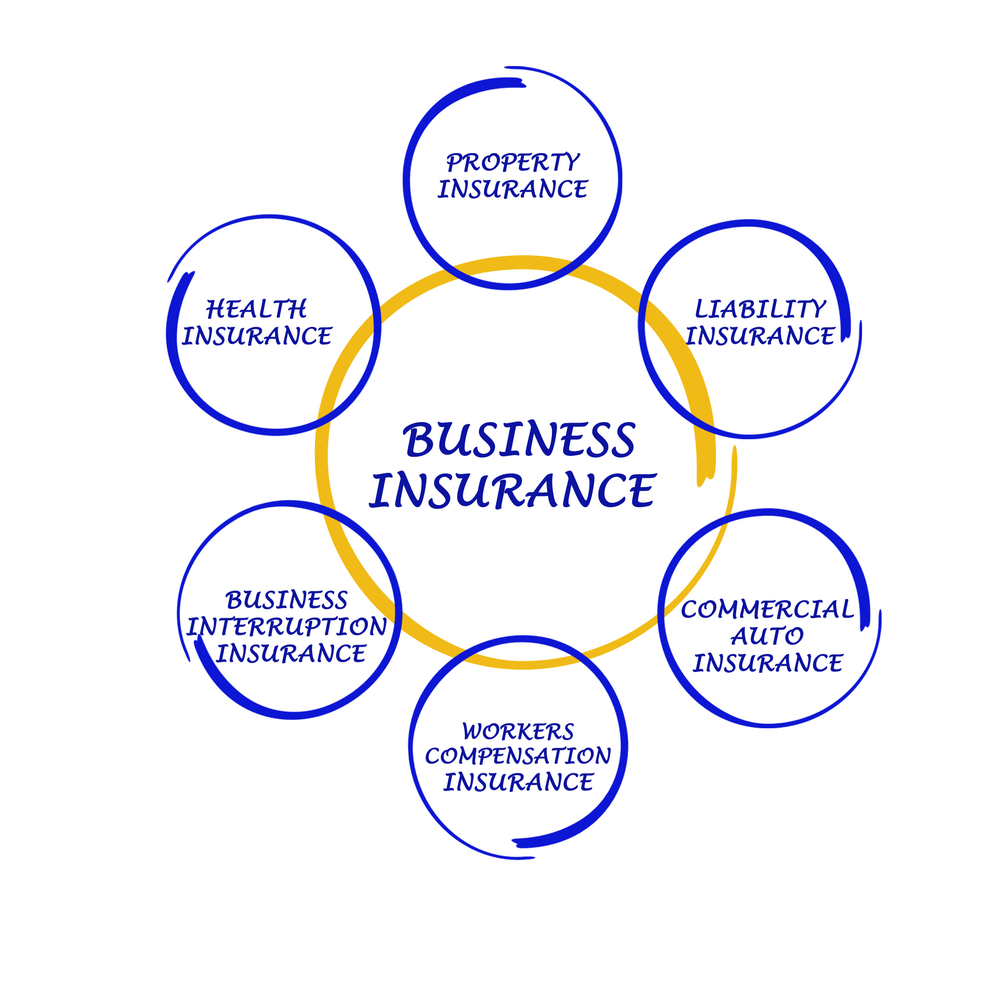
Business insurance protects companies from financial losses. It covers risks that businesses face daily. Different types of insurance cover different risks. Knowing these types helps businesses choose the right coverage. Here are the main types of business insurance.
General Liability Insurance
This insurance covers claims of injury or property damage. It protects businesses if someone gets hurt on their premises. It also covers damage caused by the business operations. It helps pay legal fees and settlements. Essential for almost every type of business.
Property Insurance
Property insurance protects business buildings and equipment. It covers damage from fire, theft, or natural disasters. It helps replace or repair damaged property. Important for businesses with physical locations or assets.
Professional Liability Insurance
Also called errors and omissions insurance. It covers claims of negligence or mistakes in services. Protects professionals like consultants, lawyers, and doctors. Pays for legal defense and settlements. Crucial for service-based businesses.
Workers’ Compensation
Workers’ compensation covers employee injuries at work. It pays for medical bills and lost wages. Required by law in most states. Protects both employees and employers from financial loss.
Business Interruption Insurance
This insurance covers lost income during business shutdowns. It helps pay bills and salaries when operations stop. Covers events like fires or natural disasters. Important for businesses that rely on steady cash flow.

Assessing Your Business Risks
Assessing your business risks is a vital step to protect your company. Understanding potential risks helps you prepare and reduce losses. Every business faces different dangers. Knowing these risks guides you to choose the right insurance. This process saves money and avoids surprises.
Identifying Common Risks
Most businesses face common risks like theft, fire, or accidents. Employee injuries and property damage happen often. Customer lawsuits can also cause problems. Technology failures and data breaches affect many companies. Spotting these risks early helps you act quickly. Write down all possible risks your business might face.
Evaluating Financial Impact
Each risk can cost your business money. Some risks cause small losses, others big ones. Think about how much money you might lose. Include repair costs, legal fees, and lost income. Estimate the worst-case scenario to be safe. This helps decide how much insurance coverage you need.
Industry-specific Considerations
Different industries have unique risks. A restaurant faces health code violations and food spoilage. A construction company deals with equipment damage and injuries. Retail stores worry about shoplifting and customer accidents. Understand your industry’s special risks. This ensures your insurance covers what matters most.
Choosing The Right Coverage
Choosing the right business insurance coverage is crucial for protecting your company. Each business faces unique risks. Insurance must match those specific needs. A well-chosen policy can save money and reduce stress during tough times. Understanding your options helps make smart choices. The right coverage supports growth and stability.
Customizing Policies To Your Needs
Every business is different. Customizing insurance policies ensures coverage fits your exact risks. Consider the size, location, and industry of your business. Include protection for specific liabilities and property. Talk to your insurance agent about your daily operations. Tailored policies avoid paying for unnecessary coverage. They also protect against real threats.
Balancing Cost And Protection
Insurance costs vary widely. Focus on balancing price with adequate protection. Cheaper policies may leave gaps in coverage. Expensive plans might offer unneeded extras. Review your budget carefully. Prioritize coverage that guards your critical assets. Regularly update policies to reflect business changes. This approach saves money and reduces risks.
Combining Multiple Policies
Many businesses combine policies for better protection. Bundling property, liability, and business interruption insurance can lower costs. It also simplifies managing your coverage. Look for package deals from insurers. Check if discounts apply for multiple policies. Combining plans creates a safety net that covers many risks. This strategy strengthens your business’s defense against losses.
Tips For Finding Reliable Insurance Providers
Finding a reliable insurance provider is crucial for protecting your business. The right insurer offers peace of mind and financial security. Choosing wisely can save money and avoid future problems.
Here are simple tips to help you find trustworthy business insurance providers. Follow these steps to make a smart choice.
Researching Company Reputation
Start by checking the company’s reputation. Look for reviews from other business owners. See how the insurer handles claims and customer service. A good reputation shows reliability and trustworthiness. Avoid companies with many complaints or poor feedback.
Comparing Quotes And Coverage
Get quotes from several insurers. Compare the prices and what each policy covers. Look beyond the cost. Focus on coverage limits and exclusions. The cheapest option might not offer enough protection. Choose a policy that fits your business needs well.
Reading Policy Terms Carefully
Read all policy details before signing. Understand what is covered and what is not. Check for hidden fees or strict conditions. Ask questions if anything is unclear. Clear terms prevent surprises during claims.
Maintaining And Updating Your Coverage
Maintaining and updating your business insurance coverage is vital. It ensures protection fits your current needs. Business changes over time, and your insurance should too. Regular updates prevent gaps in coverage and avoid costly surprises.
Staying proactive with your insurance helps manage risks better. It keeps your business safe from unexpected events. Review your policies often to keep them relevant and strong.
Reviewing Policies Regularly
Set a schedule to review your insurance policies. Check for changes in your business activities. Verify that all assets and employees are covered. Look for outdated information or missing coverage. Regular reviews help you catch risks early.
Adjusting Coverage For Business Growth
As your business grows, your insurance needs change. Add new equipment, locations, or employees to your policy. Increase coverage limits if your revenue rises. Adjust for new products or services offered. Proper adjustments keep your protection aligned with growth.
Handling Claims Efficiently
Report claims quickly to avoid delays. Keep detailed records and photos of damages. Communicate clearly with your insurer throughout the process. Understand your policy’s claim procedures well. Efficient handling speeds up recovery and limits business disruption.
Frequently Asked Questions
What Types Of Business Insurance Are Essential?
Essential business insurance types include general liability, property, workers’ compensation, and professional liability. These protect against common risks, such as lawsuits, property damage, employee injuries, and professional errors. Choosing the right coverage depends on your business size, industry, and specific risks.
How Much Does Business Insurance Typically Cost?
Business insurance costs vary widely based on industry, location, coverage types, and business size. Small businesses may pay a few hundred dollars annually, while larger firms face higher premiums. It’s best to get multiple quotes and compare coverage to find affordable options tailored to your needs.
Why Is Business Insurance Important For Startups?
Business insurance protects startups from financial losses due to lawsuits, property damage, or employee injuries. It ensures legal compliance and builds trust with clients and partners. Without insurance, unexpected events can threaten your business’s survival and growth.
Can Business Insurance Cover Employee Injuries?
Yes, workers’ compensation insurance covers employee injuries occurring on the job. It pays for medical expenses and lost wages, protecting both employees and employers from costly lawsuits. This coverage is often legally required for businesses with employees.
Conclusion
Business insurance protects your company from many risks. It helps cover costs from accidents, damages, or lawsuits. Choosing the right plan keeps your business safe and stable. Every business needs some form of insurance. Think about your needs and budget carefully.
Taking this step brings peace of mind. Stay prepared for unexpected challenges. Protect your hard work with smart insurance choices.