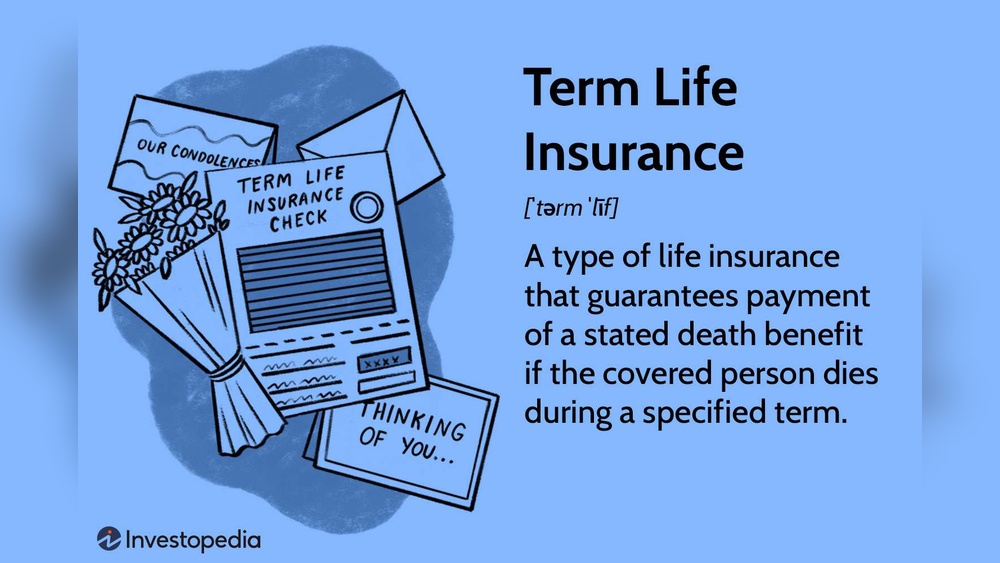
When you think about protecting your family’s future, what comes to mind? Term life insurance might be the simple, affordable solution you need.
It’s designed to give you peace of mind by providing financial support if something unexpected happens to you. But how do you know if it’s right for you? You’ll discover what term life insurance really means, how it works, and why it could be the smartest choice to secure your loved ones’ future.
Keep reading—you’ll want to understand how this one decision can make a big difference.
What Is Term Life Insurance
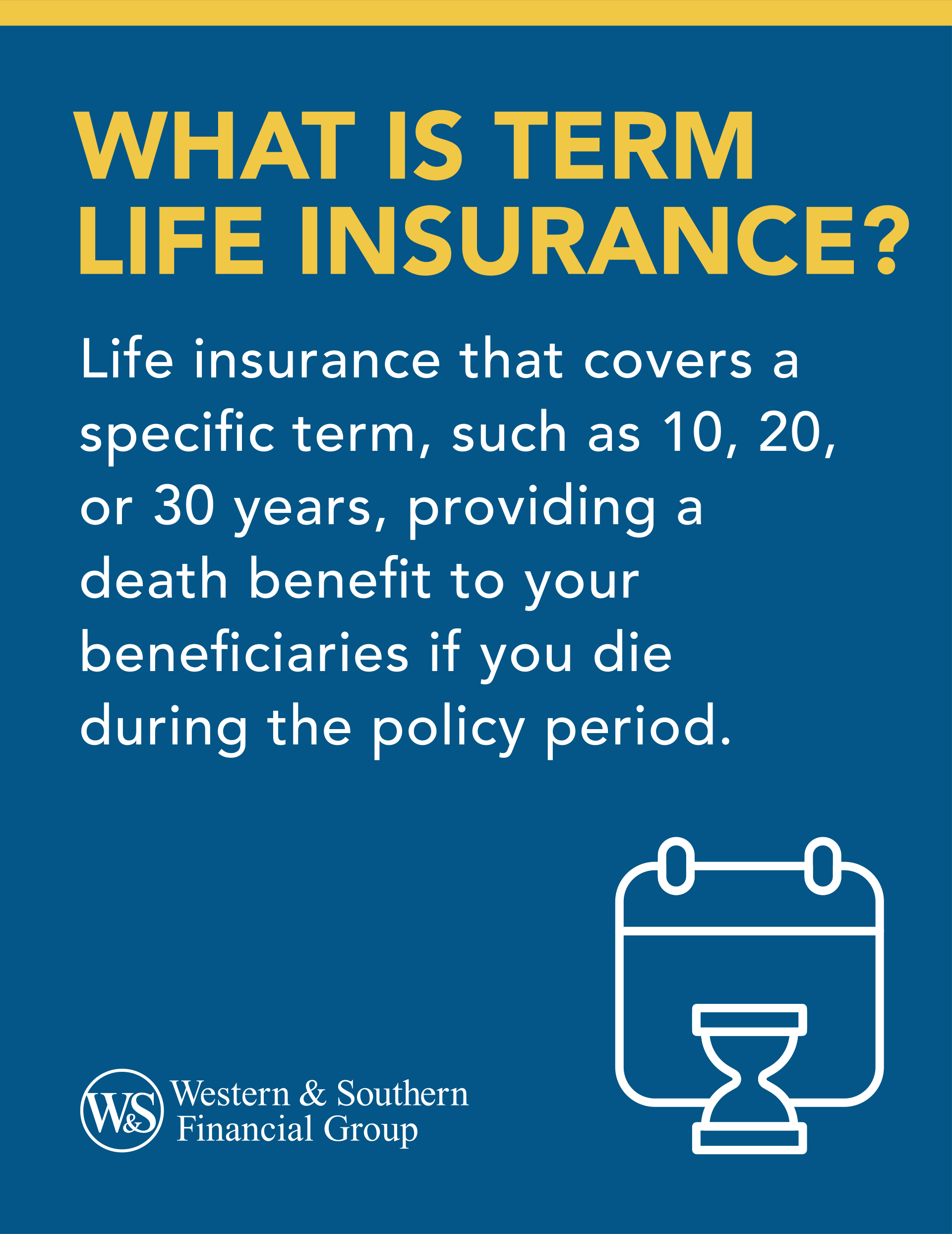
Term life insurance is a simple way to protect your family financially. It offers coverage for a specific period. If something happens to you during this time, your loved ones receive a payout. This money can help cover expenses like bills, debts, or daily needs.
This type of insurance is popular for its clear, straightforward terms. It does not build cash value or savings. Instead, it focuses on providing financial safety for a set number of years.
Basic Features
Term life insurance covers you for a fixed time, often 10, 20, or 30 years. You pay a regular premium, usually monthly or yearly. If you pass away during the term, the insurance pays a death benefit to your beneficiaries. If you outlive the term, the coverage ends. Some policies let you renew or convert to permanent insurance later.
How It Works
Choose the amount of coverage and the term length. You pay a premium based on your age, health, and coverage amount. The insurer reviews your health and lifestyle before approval. If approved, you get coverage for the chosen term. Your beneficiaries get money only if you die within this period. If you stay alive past the term, no payout occurs, and the policy expires.
Benefits Of Term Life Insurance
Term life insurance offers clear advantages for many people. It provides financial protection at a low cost. The coverage lasts for a set period, making it easy to plan. Understanding its benefits helps you decide if it fits your needs.
Affordable Premiums
Term life insurance has low premiums compared to other types. This makes it easier to buy coverage without straining your budget. Paying less means more money for daily expenses or savings.
Flexible Coverage Periods
You can choose how long your coverage lasts. Common terms include 10, 20, or 30 years. Pick a length that matches your financial goals or family needs. This flexibility suits many life situations and plans.
Simple Application Process
Applying for term life insurance is quick and straightforward. Many providers offer online forms that take minutes to complete. Medical exams might not be required for smaller policies, making it easier.
Who Should Consider Term Life Insurance
Term life insurance offers financial protection for a set period. It suits many people with specific needs and goals. Choosing term life insurance depends on your life stage and financial situation.
Young Families
Young families often need protection against unexpected loss. Term life insurance covers essential expenses like mortgages and education. It helps ensure children and spouses stay financially secure. The policy can last until children grow up or debts are paid.
Budget-conscious Individuals
Term life insurance is affordable compared to whole life policies. People on tight budgets can get good coverage without high costs. It fits well for those who want protection but must watch spending. The lower premiums allow for more savings elsewhere.
Those With Temporary Financial Obligations
Some financial responsibilities only last a few years. Examples include loans, mortgages, or business debts. Term life insurance covers these obligations during the set time. Once the debt is paid, the coverage can end. This way, you pay only for what you need.
:max_bytes(150000):strip_icc()/dotdash-term-life-vs-whole-life-5075430-Final-60fb4e8f7bae43e0a65a3fac2431479c.jpg)
Comparing Term Life With Whole Life Insurance
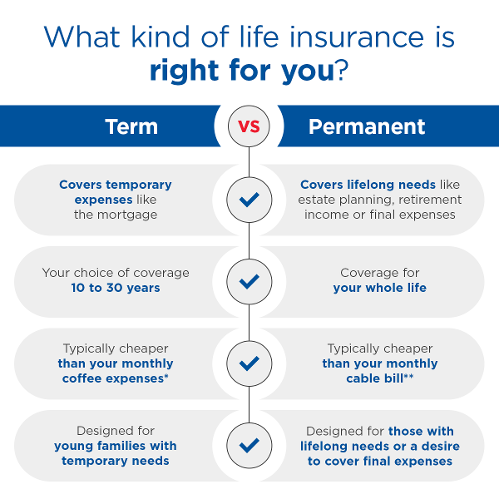
Term life and whole life insurance serve different needs. Choosing between them depends on your goals and budget. Understanding their differences helps you make better decisions. Here’s a simple comparison of key aspects.
Cost Differences
Term life insurance usually costs less. It offers coverage for a set period. Whole life insurance has higher premiums. You pay more because it covers your entire life. The cost difference can be significant over time.
Coverage Duration
Term life covers you for a specific number of years. Common terms are 10, 20, or 30 years. Whole life insurance covers you for your whole life. It never expires as long as premiums are paid. This makes whole life suitable for lifelong protection.
Cash Value Component
Term life insurance does not build cash value. It only provides a death benefit. Whole life insurance builds cash value over time. This cash value grows tax-deferred and you can borrow against it. The cash value adds a savings element to the policy.
Choosing The Right Term Length
Choosing the right term length for your life insurance is important. It affects how long your loved ones get financial protection. The term length should fit your needs and goals. Picking the wrong term can leave you without coverage or paying too much.
Understanding what to consider helps make a better choice. The term length should match your current and future plans. Keep in mind how long you need the protection and what you want to achieve.
Factors To Consider
First, think about your age. Younger people often choose longer terms for more protection. Next, consider your health. Good health may lower costs for longer terms.
Look at your budget. Longer terms usually cost more. Also, consider your family situation. If you have young children, a longer term might be best. If your children are grown, a shorter term could work.
Matching Coverage To Financial Goals
Match your term length to your financial goals. If you want to pay off a mortgage, pick a term that lasts as long as your loan. For education costs, choose a term that covers your kids’ school years.
Think about retirement plans. A term that ends near retirement age can protect your family until you stop working. Aligning term length with goals helps protect your money and family better.
Common Riders And Add-ons
Term life insurance offers more than just basic coverage. You can choose extra benefits called riders or add-ons. These options make your policy fit your needs better. They protect you and your family in different ways.
Understanding common riders helps you pick the best coverage. These add-ons often cost a little more but add great value.
Accidental Death Benefit
This rider pays extra if death happens due to an accident. It adds a safety net beyond the basic policy amount. Families get more financial help during tough times. This rider is useful for risky jobs or active lifestyles.
Waiver Of Premium
This option stops you from paying premiums if you become disabled. Your policy stays active even if you cannot pay. It protects your coverage when your income stops. This rider brings peace of mind during illness or injury.
Conversion Options
Conversion lets you change your term policy to a permanent one. You can do this without a new medical exam. This option is helpful if your health changes. It gives you more flexibility for long-term protection.
Tips For Lowering Your Premiums
Lowering your term life insurance premiums saves money over time. Simple steps can make a big difference. Understanding these tips helps you find affordable coverage without sacrificing benefits.
Healthy Lifestyle Choices
Insurance companies reward healthy habits. Quit smoking to reduce your risk profile. Maintain a healthy weight through diet and exercise. Manage chronic conditions with regular doctor visits. These actions can lead to lower premiums.
Shop Around For Quotes
Prices vary between insurers. Compare multiple quotes before buying. Use online tools to gather offers quickly. Different companies assess risk differently. Shopping around ensures you find the best price.
Consider Group Policies
Group policies through employers or associations often cost less. These plans spread risk over many people. Group rates tend to be lower than individual plans. Check if your workplace offers term life insurance benefits.
How To Apply For Term Life Insurance
Applying for term life insurance is a simple process. It helps protect your family’s financial future. Knowing the steps makes the process smooth and fast. Below are key points to guide you through applying.
Required Documentation
Prepare personal ID such as a driver’s license or passport. Have your Social Security number ready. Proof of income or employment may be needed. Medical records or health history must be accurate. These documents help the insurer assess your risk.
Medical Exam Expectations
Most term life policies require a medical exam. A nurse or doctor checks your height, weight, and blood pressure. They collect blood and urine samples. The exam usually takes 30 to 60 minutes. Results help the insurer decide your premium.
Approval Timeline
After submitting your application and exam results, wait for approval. The process can take from a few days to a few weeks. Some insurers offer accelerated approval for simple cases. Be prepared for possible follow-up questions. Stay available to speed up the process.
Common Myths About Term Life Insurance
Term life insurance often faces many misunderstandings. These myths can stop people from choosing a plan that suits their needs. Clearing up these ideas helps make better decisions. Here are some common myths about term life insurance and the truth behind them.
Coverage Is Too Expensive
Many believe term life insurance costs too much. In truth, it is usually one of the most affordable types. The price depends on age and health. Younger, healthier people pay less. Term life offers strong coverage without high costs.
Only For Older People
Some think only older adults need term life insurance. Actually, it is useful for all ages. Young parents, new homeowners, and workers benefit from it. It protects families during key years. Starting early often means lower rates.
No Benefits If You Outlive The Term
There is a myth that term life insurance pays nothing if you outlive the term. This is true, but it is not a loss. The plan covers you when you need it most. Many choose to renew or convert their policy. It provides peace of mind during uncertain times.
When To Review And Update Your Policy
Reviewing and updating your term life insurance policy is essential for keeping your coverage relevant. Life changes can affect your insurance needs. Your policy should reflect your current situation and goals. Regular checks help you avoid gaps in coverage or paying for what you no longer need.
Life Changes That Matter
Major events often require a policy review. Marriage or divorce changes your family status. Having a child adds new financial responsibilities. Buying a home or starting a business increases your financial risks. A new job or income change can alter how much coverage you need. Health changes might affect your policy options or premiums. Keep your policy aligned with these life events.
Renewal And Conversion Options
Term life insurance usually lasts for a set time. At the end of this term, you may renew your policy. Renewal can mean higher premiums due to age or health. Some policies allow conversion to permanent insurance. This option helps maintain coverage without a new medical exam. Understanding these options helps you plan better for your future.
Frequently Asked Questions
What Is Term Life Insurance And How Does It Work?
Term life insurance provides coverage for a set period. It pays a death benefit if the insured dies during the term. It is affordable and ideal for temporary financial protection needs.
Who Should Consider Buying Term Life Insurance?
People with dependents, debts, or financial responsibilities should consider term life insurance. It helps protect loved ones from financial hardship if the insured passes away prematurely.
How Long Does Term Life Insurance Last?
Term life insurance policies typically last 10, 20, or 30 years. The coverage ends when the term expires unless renewed or converted to permanent insurance.
Can I Renew Or Convert My Term Life Insurance?
Yes, many term policies allow renewal or conversion to permanent life insurance. This offers flexibility as your coverage needs evolve over time.
Conclusion
Term life insurance offers clear, affordable protection for your family. It covers you for a set time at a low cost. You can choose the length that fits your needs. This type of insurance helps provide peace of mind. It supports loved ones if something unexpected happens.
Understanding your options helps you pick the right plan. Simple and straightforward. A smart way to protect what matters most.